
What is L-theanine?
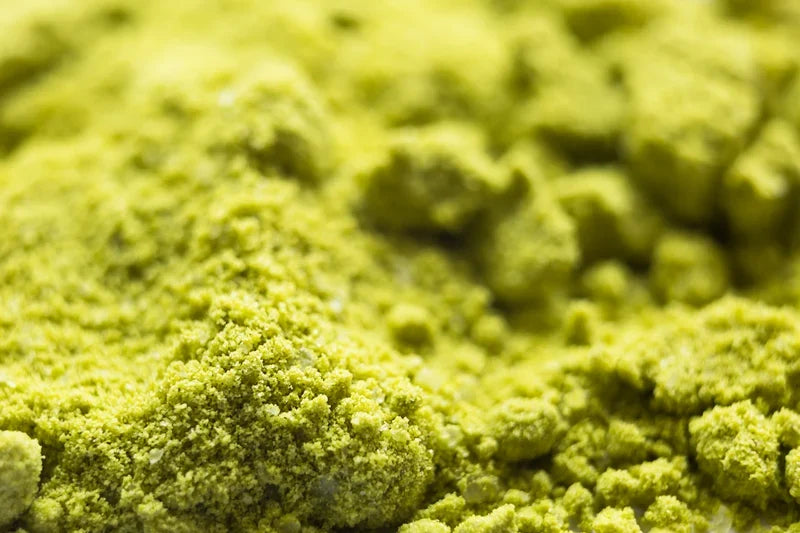
L-theanine is a non-protein amino acid naturally found in Camellia sinensis, the plant used to make green and black tea.
Human EEG research has found that L-theanine can increase alpha-wave activity, a pattern associated with relaxed wakefulness. This provides one possible explanation for why L-theanine may promote relaxation without necessarily producing the heavy or sedated feeling associated with some sleep aids.
Importantly, relaxation and sleep are not exactly the same thing. The potential value of L-theanine for sleep may come from helping the mind and body enter a more relaxed state rather than directly inducing sleep.
Does L-theanine actually help with sleep?
The research is promising, although it is not yet conclusive.
A 2025 systematic review and meta-analysis evaluated 19 articles involving 897 participants. The authors found that L-theanine supplementation was associated with improvements in subjective sleep-onset latency, daytime dysfunction, and overall subjective sleep quality. However, they also noted that more research is needed to establish the optimal dose and duration, particularly with studies using L-theanine alone.
A separate systematic review published in 2026 examined 13 trials involving 550 participants in which L-theanine was used as a standalone intervention. The studies used doses ranging from 50 to 900 mg per day, and the authors reported potential benefits across several sleep-related measures, while calling for additional high-quality research.
So while the evidence is encouraging, it would be too early to describe L-theanine as a proven treatment for insomnia.
How might L-theanine support sleep?
One proposed mechanism involves its effects on relaxation and brain activity.
Studies using EEG have found increases in alpha-wave activity following L-theanine intake. Alpha activity is associated with relaxed wakefulness, which may be relevant for people who have difficulty mentally winding down at night.
L-theanine may therefore be particularly interesting as part of a nighttime routine when stress, mental stimulation, or difficulty switching off are contributing to poor sleep.
However, the exact mechanisms through which L-theanine may influence sleep are still being investigated.
How much L-theanine has been studied?
There is currently no universally established optimal dose for sleep.
Clinical trials have used a wide range of doses and intervention periods. Recent reviews suggest that doses in the range of approximately 200–450 mg per day have been studied in adults, but this should not be interpreted as a definitive optimal dose for everyone.
Because different studies have used different formulations, populations, doses, and outcome measures, more research is needed to determine the ideal dose and timing specifically for sleep.
Is L-theanine sedating?
One of the reasons L-theanine is interesting for nighttime use is that research has generally investigated it as a relaxation-supporting ingredient rather than as a conventional sedative.
Human studies have reported effects on relaxation and mental state without evidence that L-theanine simply acts by inducing drowsiness.
That distinction matters: supporting relaxation is not the same as forcing the body into sleep.
What about combining L-theanine with other ingredients?
Sleep is influenced by multiple biological and behavioral factors, so sleep-support formulas often combine ingredients with different mechanisms.
L-theanine has been studied both on its own and in combination formulas. However, when a study uses multiple ingredients together, it is not possible to assume that the observed effect comes from L-theanine alone.
For this reason, claims of a specific “synergistic” effect should be made cautiously unless the combination itself has been directly studied.
How Sleep Flow uses L-theanine
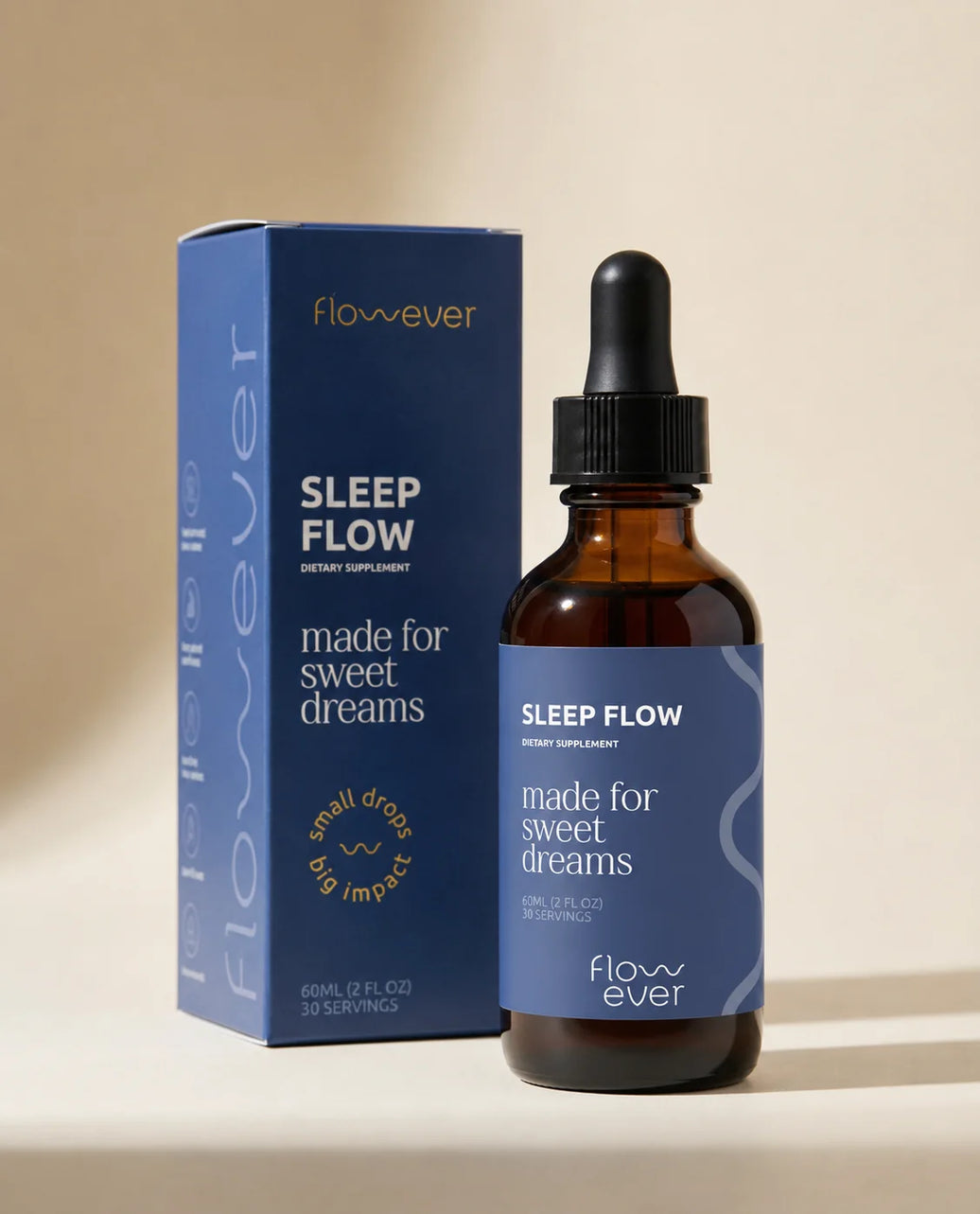
Sleep Flow includes 150 mg of L-theanine per serving, combined with Montmorency tart cherry concentrate, lemon balm, passionflower, chamomile, and sage.
The goal is not to rely on a single ingredient, but to create a multi-ingredient nighttime formula designed to support relaxation and healthy sleep.
L-theanine plays a specific role within that formulation: it provides a research-backed ingredient associated with relaxation, while the other ingredients contribute complementary botanical compounds.
The bottom line
L-theanine is one of the more interesting ingredients being studied for sleep and relaxation. Current evidence suggests that supplementation may improve aspects of subjective sleep quality and sleep onset, but the research is still developing and an optimal dose has not yet been established.
For people looking for a non-melatonin approach to nighttime relaxation, L-theanine is a promising ingredient to consider as part of a broader sleep-support strategy.
Frequently Asked Questions
Does L-theanine help with sleep?
Research suggests that L-theanine may improve some subjective measures of sleep, including sleep quality and sleep-onset latency. However, the evidence is still developing and does not establish L-theanine as a treatment for insomnia.
Does L-theanine make you sleepy?
L-theanine is generally studied as a relaxation-supporting ingredient rather than as a conventional sedative. Research suggests that it may promote a relaxed state without necessarily causing daytime drowsiness.
How does L-theanine support sleep?
One proposed mechanism involves its effects on brain activity and relaxation. Human EEG research has found increased alpha-wave activity after L-theanine intake, a pattern associated with relaxed wakefulness.
What is the best dose of L-theanine for sleep?
There is currently no universally established optimal dose. Clinical studies have used a wide range of doses and formulations. Recent research has included doses around 200–450 mg per day, but this does not mean that one dose is optimal for everyone.
Can L-theanine help with racing thoughts at night?
L-theanine has been studied for its potential effects on relaxation and mental state. It may be particularly interesting when difficulty winding down is part of a person's sleep problem, but research has not established it as a treatment for anxiety-related insomnia.
Is L-theanine better than melatonin?
They work differently and cannot currently be ranked as better or worse. Melatonin is a hormone involved in circadian timing, while L-theanine is primarily studied for relaxation and sleep-supporting effects.
Can I take L-theanine every night?
Clinical studies have investigated L-theanine over different periods, but long-term nightly use has not been established as universally appropriate for everyone. Individual circumstances, medications, and health conditions should be considered.
How much L-theanine is in Sleep Flow?
Sleep Flow provides 150 mg of L-theanine per serving, together with Montmorency tart cherry, lemon balm, passionflower, chamomile, and sage.