
What does the research show?
One of the earliest randomized, double-blind, placebo-controlled studies examined the effects of tart cherry juice concentrate in healthy adults. After seven days of consumption, researchers observed an increase in urinary melatonin levels along with improvements in total sleep time and sleep efficiency.
Other studies have reported potential benefits in sleep duration, sleep efficiency, or sleep onset. However, not every clinical trial has found the same results. For example, a randomized trial published in 2024 found no significant improvements in sleep or inflammation after 14 days of Montmorency tart cherry supplementation in adults with overweight or obesity. Another randomized trial also found no significant differences in sleep time or sleep quality after 30 days of supplementation.
A 2025 systematic review that included seven interventional studies concluded that tart cherry consumption may improve some sleep outcomes and may increase melatonin levels, but emphasized that the available evidence remains limited and heterogeneous.
Why might Montmorency tart cherry support sleep?
One possible explanation is its naturally occurring melatonin content. Melatonin is involved in regulating the body's sleep-wake cycle, and early research found that tart cherry consumption increased urinary melatonin levels.
Tart cherries also contain anthocyanins and other polyphenolic compounds. These compounds have antioxidant and anti-inflammatory properties, which may contribute to the biological effects being investigated in sleep research. However, it is not yet clear how much of the observed effect, if any, can be attributed to melatonin versus other compounds in tart cherries.
How much tart cherry has been studied?
There is no single established optimal dose or duration for tart cherry and sleep.
Clinical studies have used different preparations, including tart cherry juice, concentrated juice, and powdered tart cherry products, with different amounts and intervention periods. Some studies have used supplementation for as little as five to seven days, while others have lasted two to four weeks or longer.
This variation is one reason researchers currently consider the evidence promising but not definitive.
The bottom line
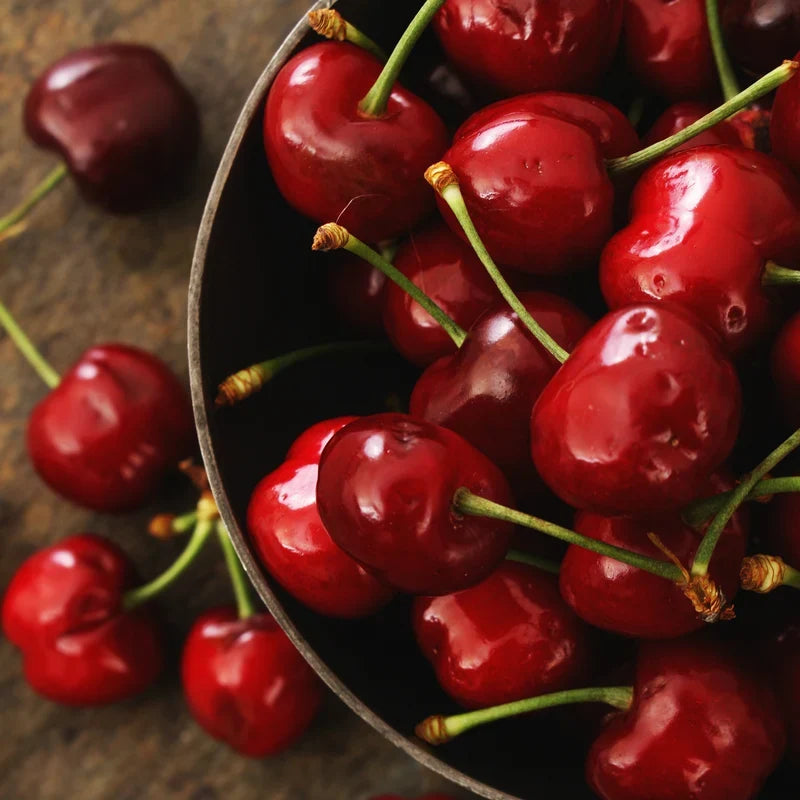
Montmorency tart cherry is an interesting ingredient for sleep support because it naturally contains melatonin and other bioactive compounds, and several clinical studies have reported improvements in sleep-related outcomes.
At the same time, the research is not consistent enough to say that tart cherry will improve sleep for everyone. More well-designed clinical trials are needed to determine the most effective preparation, dose, timing, and population.
For people interested in nutritional approaches to sleep, Montmorency tart cherry is therefore a promising ingredient to consider—but it is best viewed as part of a broader sleep-support strategy rather than as a guaranteed solution for insomnia.
How Sleep Flow uses Montmorency tart cherry
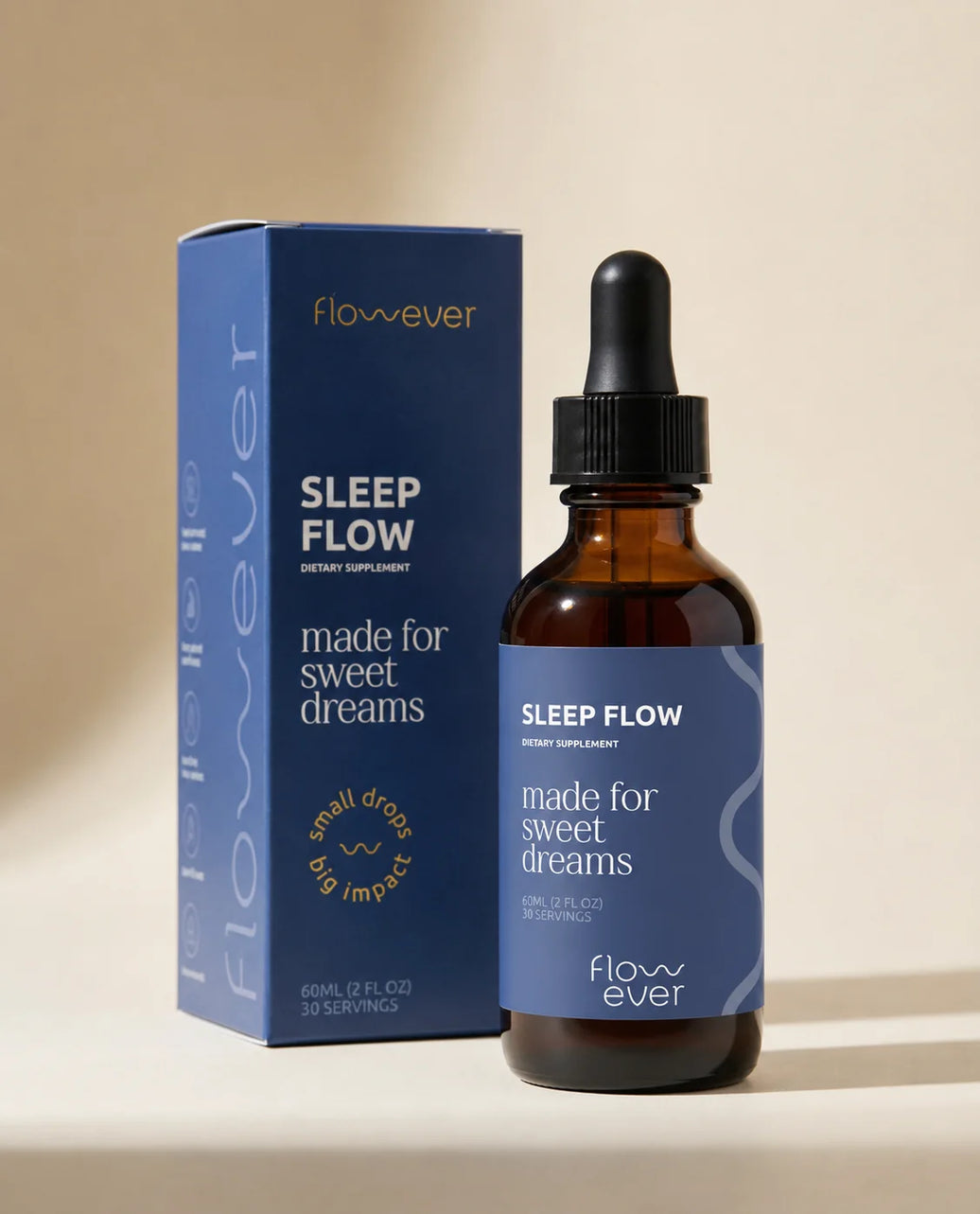
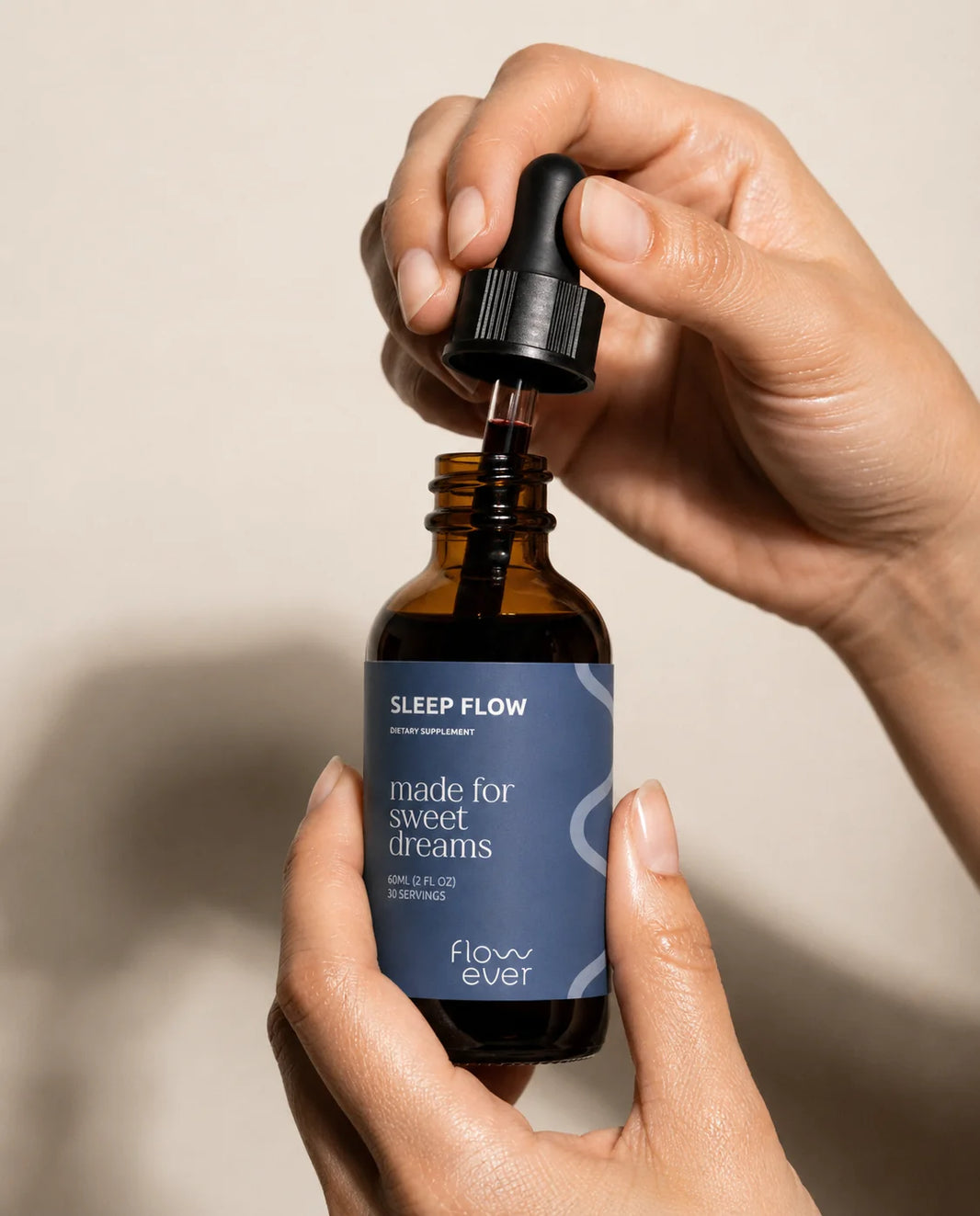
Sleep Flow was formulated with Montmorency tart cherry alongside other complementary ingredients, including L-theanine, lemon balm, passionflower, chamomile, and sage.
Each serving provides 430 mg of Montmorency tart cherry concentrate.
Rather than relying on a single ingredient, Sleep Flow takes a multi-ingredient approach to nighttime support, combining botanical ingredients and L-theanine in one formula.
Explore Sleep Flow →
Frequently Asked Questions
Does Montmorency tart cherry help with sleep?
Research suggests that Montmorency tart cherry may improve some sleep-related outcomes, including sleep duration or subjective sleep quality. However, clinical results have been mixed, and more research is needed to determine who is most likely to benefit.
Does Montmorency tart cherry contain melatonin?
Yes. Tart cherries naturally contain melatonin, along with other bioactive compounds such as anthocyanins. However, the amount of naturally occurring melatonin can vary depending on the fruit, preparation, and processing.
Can tart cherry increase melatonin levels?
Some clinical research has found increases in urinary melatonin or melatonin-related measures after tart cherry consumption. This suggests that tart cherry may influence melatonin physiology, although it should not be considered equivalent to taking a standardized melatonin supplement.
Is Montmorency tart cherry better than melatonin?
There is not enough evidence to say that tart cherry is better than supplemental melatonin. They represent different approaches: tart cherry provides naturally occurring melatonin alongside other compounds, while melatonin supplements provide a standardized dose of the hormone.
When should I take tart cherry for sleep?
There is no universally established optimal timing. Clinical studies have used different protocols, including different doses and intervention periods. For this reason, research does not currently support one specific timing recommendation for everyone.
How much tart cherry has been studied for sleep?
Studies have used different forms and amounts of tart cherry, including juice, concentrate, and powdered preparations. Because formulations vary considerably, there is currently no universally established optimal dose for sleep.
Does tart cherry help you stay asleep?
Some studies have reported improvements in sleep duration or sleep efficiency, while others have not found significant effects. The evidence therefore suggests potential benefits but does not establish tart cherry as a reliable treatment for nighttime awakenings.
Is tart cherry a natural sleep aid?
Tart cherry can be considered a food-based ingredient with potential sleep-supporting properties. It naturally contains melatonin and polyphenols, but the current evidence is not strong enough to describe it as a proven treatment for insomnia.