
What is lemon balm?
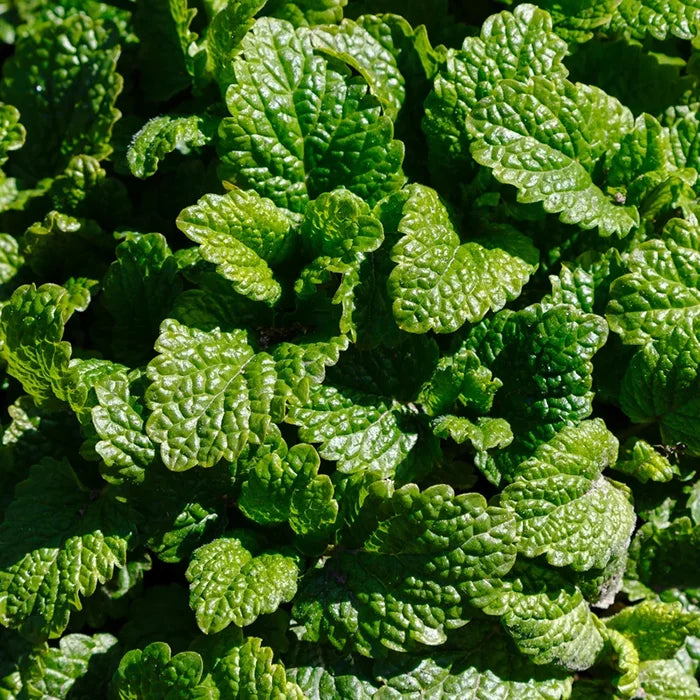
Lemon balm is an aromatic herb in the mint family. Traditionally, it has been used as a calming botanical and is often included in herbal preparations designed for relaxation and nighttime use.
Its effects are thought to involve several biological pathways rather than a single mechanism. Lemon balm contains compounds such as rosmarinic acid and other phytochemicals that have been investigated for their effects on the nervous system.
Does lemon balm help with sleep?
There is some evidence that lemon balm may improve subjective sleep quality, particularly in people experiencing stress or emotional distress.
A recent clinical study evaluated a standardized Melissa officinalis phospholipid preparation in adults with poor sleep quality and/or emotional distress. After three weeks, participants receiving 200 or 400 mg per day showed improvements in sleep quality and measures of psychological well-being. Because the study was open-label and used a specific preparation, the results cannot automatically be applied to every lemon balm supplement.
Earlier research has also investigated lemon balm in combination with other ingredients, making it difficult to determine how much of an observed effect comes from lemon balm itself.
For this reason, the current evidence is best described as promising rather than conclusive.
How might lemon balm support sleep?
One reason lemon balm is interesting for nighttime use is its traditional association with relaxation.
Rather than viewing lemon balm as a conventional sedative, researchers have investigated whether it can help create a calmer physiological and psychological state that may make the transition to sleep easier.
This distinction is important. Supporting relaxation is not the same as treating insomnia, and a botanical ingredient should not be considered a substitute for evidence-based treatment when persistent insomnia is present.
How much lemon balm has been studied?
There is no universally established optimal dose of lemon balm for sleep.
Clinical studies have used different extracts, preparations, doses, and durations. Because the chemical composition and concentration of botanical extracts can vary substantially, the amount of raw herb does not necessarily tell you how much of a particular active compound is present.
This is one reason it is important to look at the specific extract and formulation rather than assuming that all lemon balm products are equivalent.
Lemon balm and nighttime relaxation
For people whose sleep difficulties are closely connected to stress or difficulty winding down, lemon balm may be an interesting botanical to include in a nighttime routine.
However, the evidence does not support saying that lemon balm will reliably make someone fall asleep faster or prevent nighttime awakenings.
More well-designed clinical trials are needed to establish which preparations, doses, and populations are most likely to benefit.
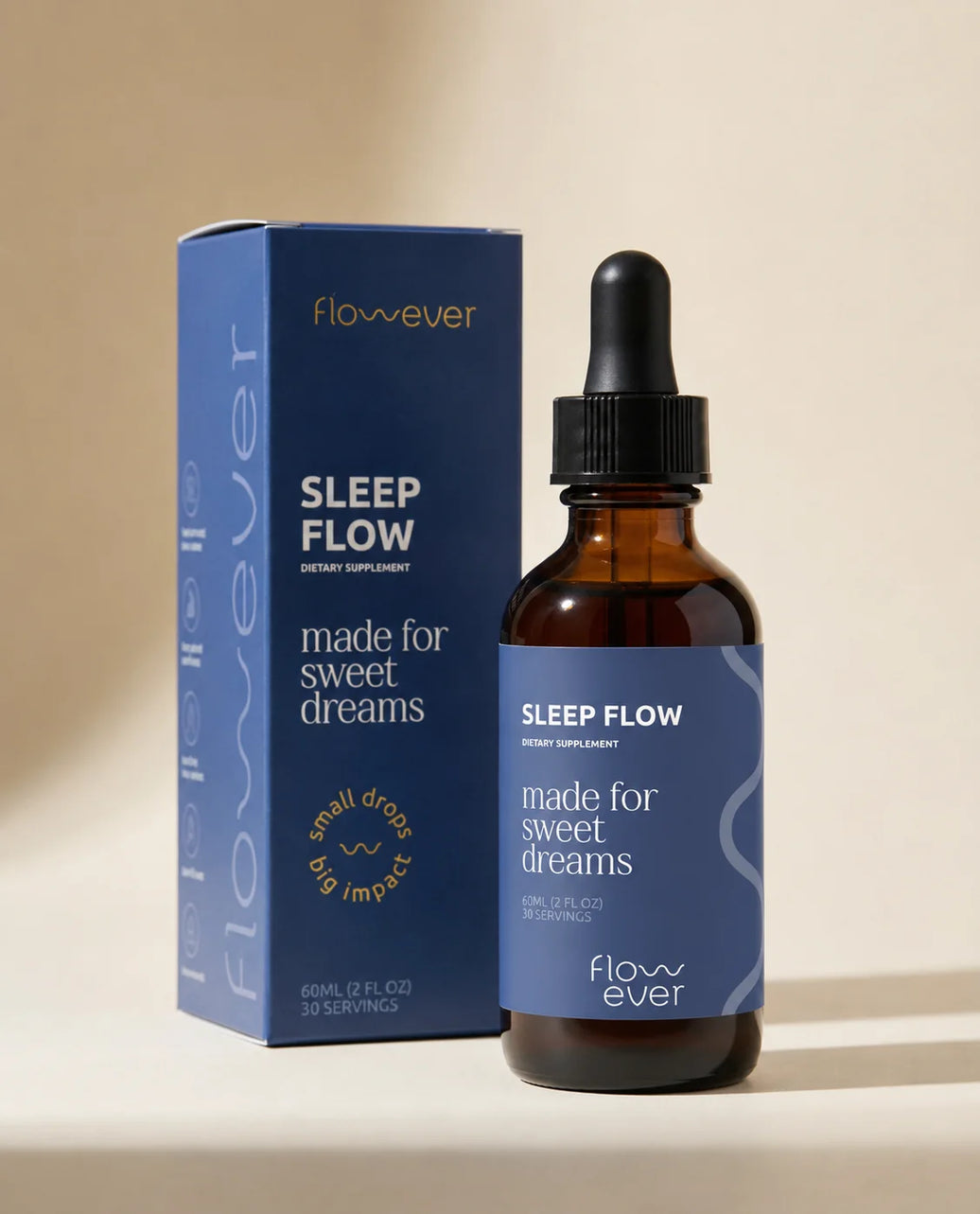
How Sleep Flow uses lemon balm
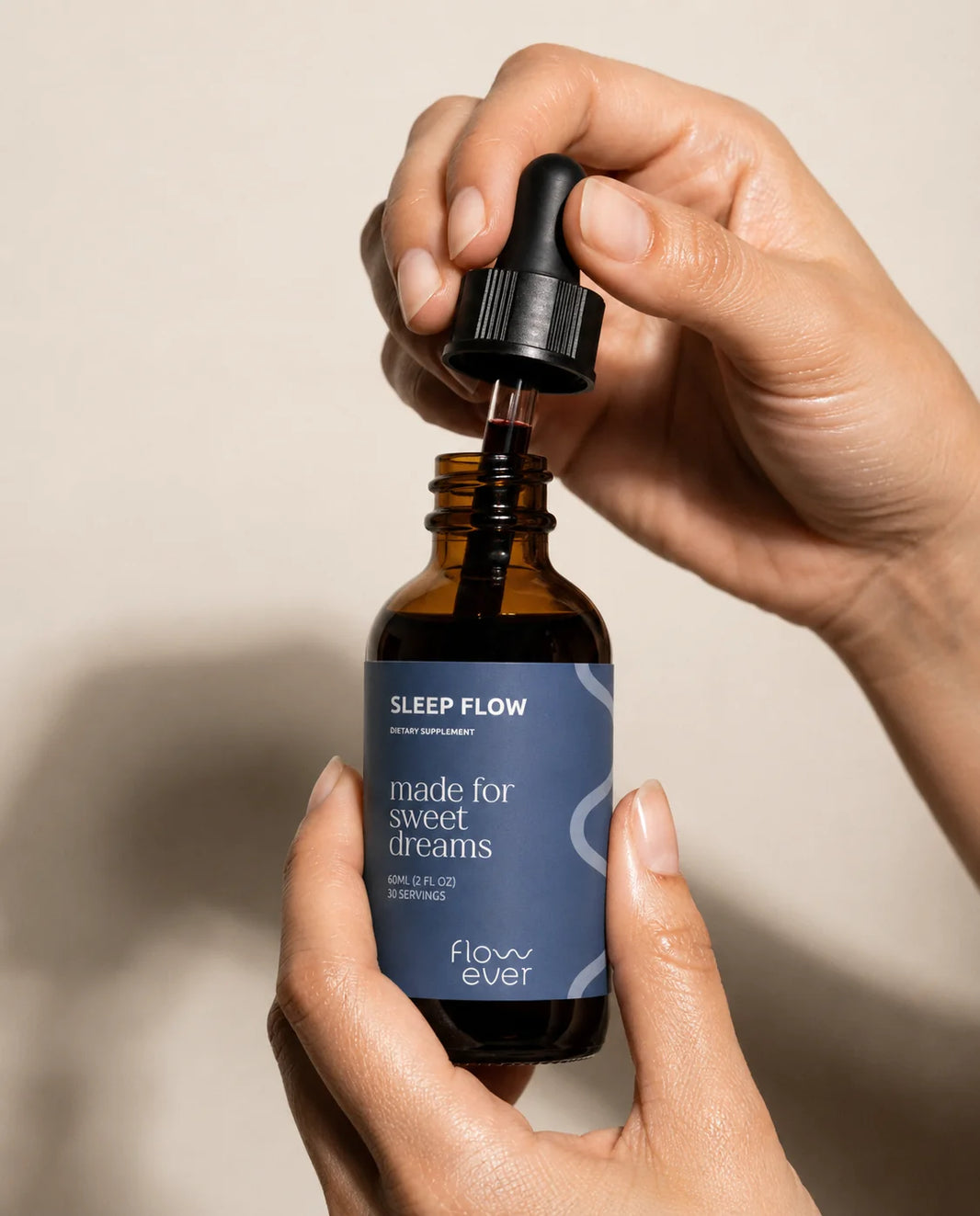
Sleep Flow contains 200 mg of lemon balm extract per serving.
It is combined with L-theanine, Montmorency tart cherry, passionflower, chamomile, and sage to create a multi-ingredient nighttime formula.
Lemon balm plays a complementary role in the formulation, contributing a botanical traditionally associated with relaxation and currently being investigated for its potential effects on sleep quality and emotional well-being.
The bottom line
Lemon balm is a promising botanical for nighttime relaxation and sleep support. Early clinical research suggests potential benefits for sleep quality, particularly in people experiencing stress or emotional distress, but the evidence remains limited and formulation-specific.
It is best viewed as one component of a broader approach to healthy sleep—not as a guaranteed treatment for insomnia.
Frequently Asked Questions
Does lemon balm help with sleep?
Clinical research suggests that lemon balm may support subjective sleep quality, particularly in people experiencing stress or emotional distress. However, studies have used different extracts and formulations, so the evidence cannot be generalized to every lemon balm product.
How does lemon balm support sleep?
Lemon balm is traditionally used for relaxation. Researchers are investigating several of its bioactive compounds, including rosmarinic acid, for their potential effects on the nervous system.
Does lemon balm make you sleepy?
Lemon balm is generally used as a calming botanical rather than a conventional sedative. Its potential value for sleep may come from supporting relaxation and making it easier to wind down.
When should I take lemon balm for sleep?
There is no universally established optimal timing. Research protocols have varied depending on the preparation and study design.
What is the best dose of lemon balm for sleep?
There is no universally established optimal dose. Different clinical studies have used different extracts and amounts, and the concentration of active compounds can vary between preparations.
Can lemon balm help with stress-related sleep problems?
Some research suggests that lemon balm may support both psychological well-being and subjective sleep quality, particularly in people experiencing stress or emotional distress. More controlled research is needed.
Is lemon balm safe for everyone?
"Natural" does not automatically mean risk-free. Lemon balm can have biological effects and may not be appropriate for everyone, particularly depending on medications and individual health circumstances.
How much lemon balm is in Sleep Flow?
Sleep Flow contains 200 mg of lemon balm extract per serving, combined with L-theanine, Montmorency tart cherry, passionflower, chamomile, and sage.