

What is perimenopause?
Perimenopause is the transition leading up to menopause. It commonly begins during the 40s, although the timing varies considerably from woman to woman.
During this stage, ovarian hormone production becomes increasingly variable. Estrogen and progesterone can fluctuate substantially rather than simply declining in a smooth, predictable pattern.
These hormonal changes can influence several systems involved in sleep, including thermoregulation, mood, circadian rhythms, and the nervous system.
Why can perimenopause affect sleep?
There are several overlapping reasons.
1. Night sweats and changes in body temperature
One of the most recognized ways menopause-related hormonal changes can affect sleep is through vasomotor symptoms such as hot flashes and night sweats.
These episodes can cause you to wake suddenly, become uncomfortable, and have difficulty returning to sleep.
Even women who don't experience obvious hot flashes may notice that they become more sensitive to temperature during the night.
Keeping the bedroom cool, choosing breathable sleepwear and bedding, and identifying personal triggers can therefore be useful practical strategies.
2. More frequent nighttime awakenings
Research has consistently found that sleep complaints and sleep disruption become more common during the menopausal transition.
Some women have difficulty staying asleep, while others have trouble falling asleep or wake earlier than they would like.
The relationship is complex. Hormonal changes may contribute directly, while symptoms such as hot flashes, mood changes, stress, and changes in sleep timing can contribute indirectly.
Importantly, waking at 3 AM is not a specific diagnostic sign of perimenopause. If it happens frequently, it is worth looking at the complete sleep pattern rather than attributing it automatically to hormones.
What about progesterone?
Progesterone has biological effects on the nervous system, and reproductive hormone changes during the menopausal transition may influence sleep.
However, it is too simplistic to describe perimenopause as simply "losing progesterone's calming effect."
Hormone levels fluctuate substantially during perimenopause, and the relationship between reproductive hormones and sleep is complex.
Research suggests that changes in reproductive hormone patterns are associated with alterations in sleep and nighttime awakenings, but individual responses vary considerably. (pubmed.ncbi.nlm.nih.gov)
This is one reason why two women of the same age can experience completely different sleep patterns during perimenopause.
Why can sleep feel more fragile?
Perimenopause doesn't happen in isolation.
Women in their 40s may simultaneously be experiencing demanding careers, parenting, relationship changes, increased responsibilities, changes in exercise, alcohol consumption, nutrition, or other sources of stress.
Hormonal changes can occur alongside these factors, making it difficult to identify a single cause of sleep disruption.
Rather than asking:
"Is this cortisol or estrogen?"
it may be more useful to ask:
"What has changed in my sleep, my hormones, my environment, and my daily routine?"
What can help support sleep during perimenopause?
The foundations of healthy sleep remain important.
Keep a consistent sleep schedule
Going to bed and waking at approximately the same time each day helps reinforce your circadian rhythm.
Keep the bedroom cool
If night sweats or temperature sensitivity are affecting your sleep, a cool, comfortable bedroom can make nighttime awakenings easier to manage.
Get morning light
Morning light helps reinforce the body's circadian timing and can support a consistent sleep-wake rhythm.
Exercise regularly
Regular physical activity is associated with better sleep, although individual responses to exercise timing vary.
If evening exercise seems to increase alertness or body temperature, moving more intense workouts earlier in the day may be worth trying.
Address stress during the day
If your mind becomes highly active as soon as you wake during the night, relaxation practices should not be limited to bedtime.
Stress management throughout the day may make it easier to transition into and remain in sleep.
What about supplements?
There is no single supplement specifically proven to solve perimenopause-related sleep disruption.
Some ingredients have been studied for relaxation or sleep support, including magnesium, L-theanine, chamomile, lemon balm, passionflower, and tart cherry.
The strength of evidence varies substantially between ingredients and formulations.
For example, recent research on L-theanine suggests potential improvements in some subjective sleep measures, while evidence for magnesium and sleep remains mixed. (pubmed.ncbi.nlm.nih.gov)
This is why it is important to look at the evidence for the specific ingredient, dose, formulation, and population, rather than assuming that an ingredient will work simply because it is described as "natural."
When should you look beyond supplements?
If sleep disruption is persistent or significantly affecting daytime functioning, it is worth looking for the underlying cause.
During perimenopause, sleep problems can coexist with:
-
obstructive sleep apnea
-
restless legs syndrome
-
anxiety or depression
-
thyroid disorders
-
medication effects
-
alcohol-related sleep disruption
-
chronic pain
-
vasomotor symptoms
Persistent insomnia also deserves specific evaluation rather than being attributed automatically to hormones.
For women with significant hot flashes or other menopausal symptoms, discussing evidence-based treatment options with a qualified healthcare professional may be appropriate.
How Sleep Flow approaches nighttime support
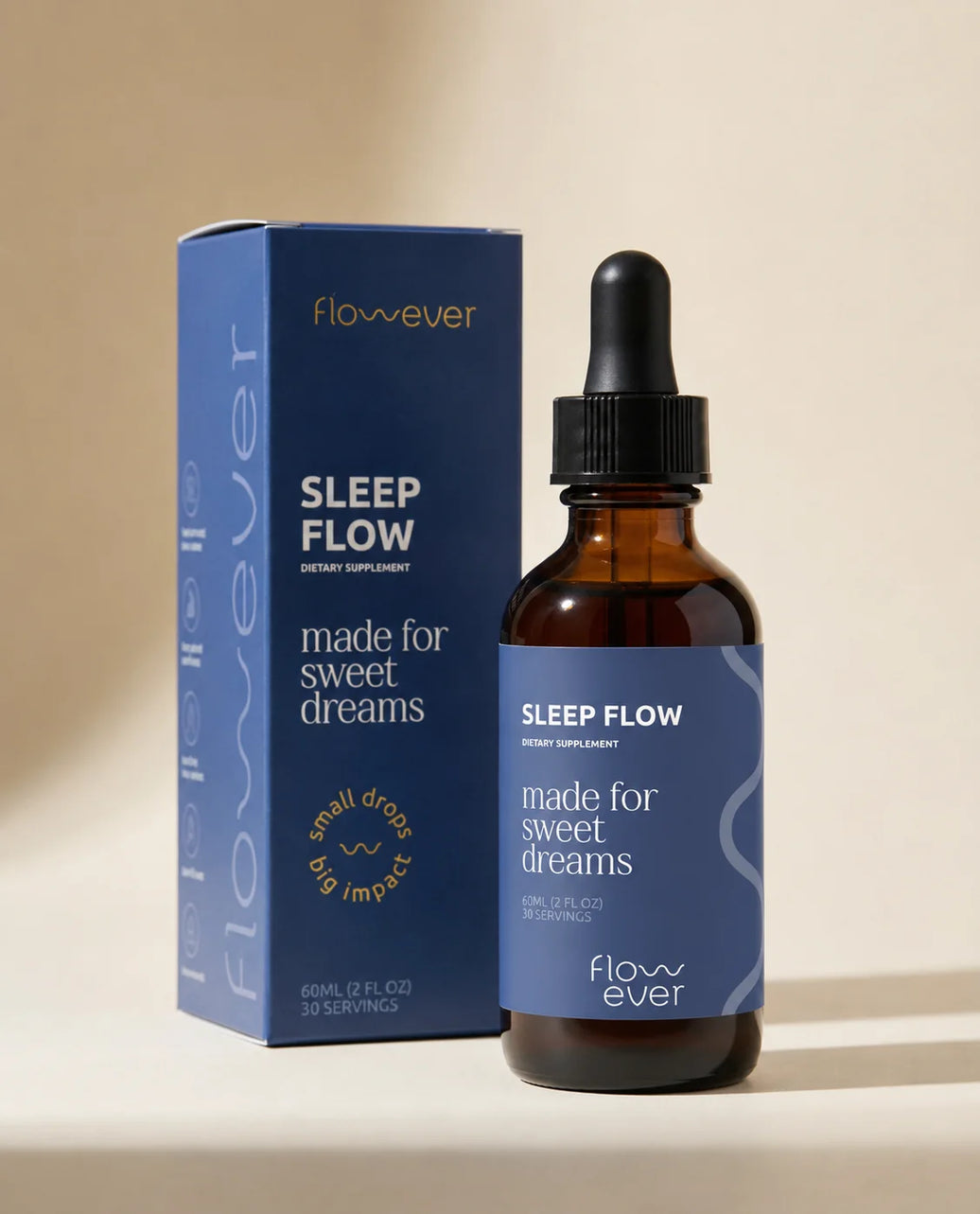
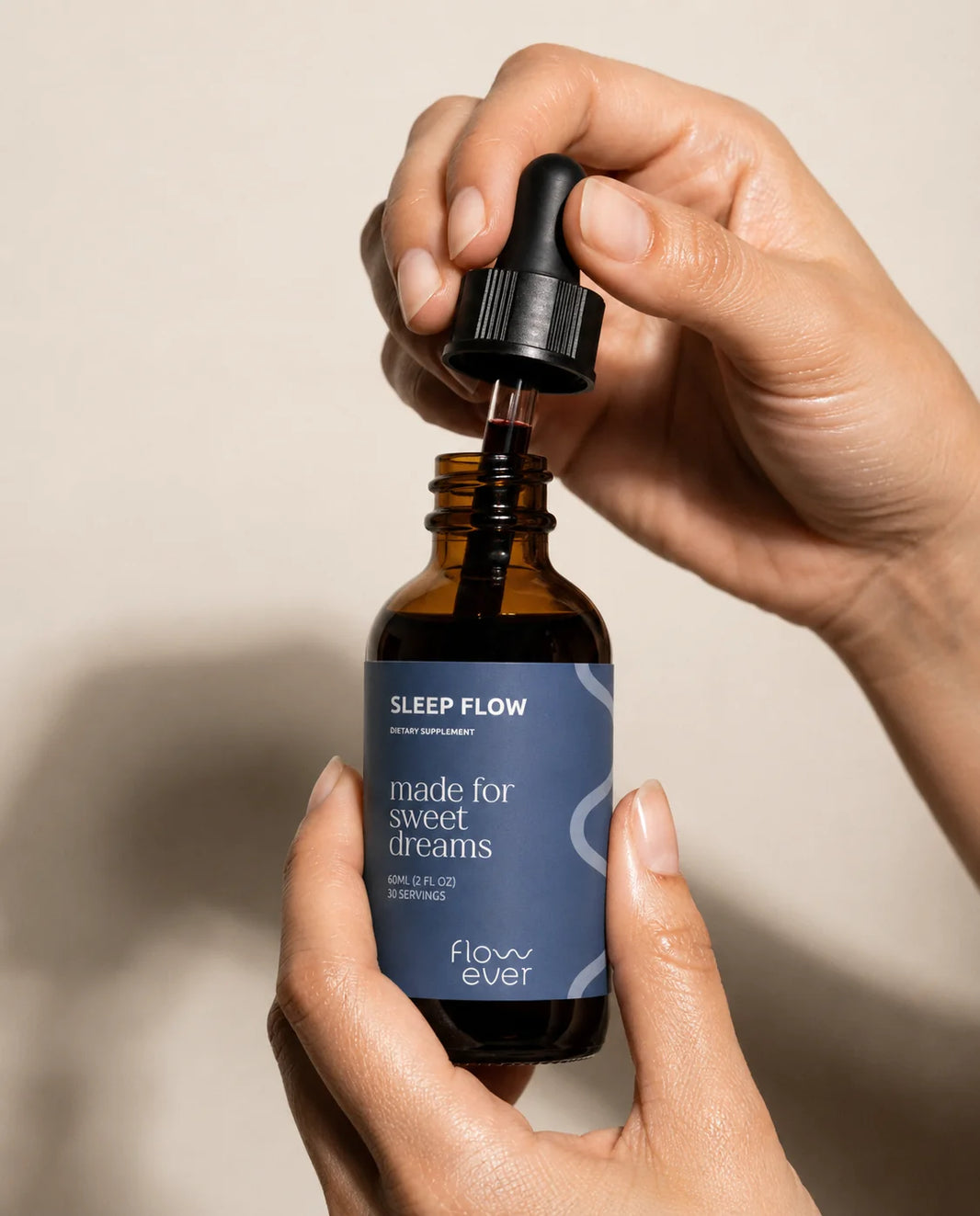
Sleep Flow was designed with the needs of adults seeking nighttime relaxation and sleep support in mind, including women navigating changes in sleep during their 40s and beyond.
Each serving contains:
-
430 mg Montmorency tart cherry concentrate
-
150 mg L-theanine
-
200 mg lemon balm extract
-
150 mg passionflower extract
-
100 mg chamomile extract
-
5 mg sage extract
- 5 mg fennel extract
The formula combines ingredients with different research backgrounds related to relaxation and sleep support.
Sleep Flow does not contain supplemental melatonin. Instead, it uses a multi-ingredient approach designed to support nighttime relaxation and healthy sleep.
Importantly, Sleep Flow has not been clinically proven to treat perimenopausal insomnia or hormonal symptoms. The research discussed in this article relates to individual ingredients or specific preparations, not necessarily to the complete formula.
The bottom line
Sleep can change significantly during perimenopause, but there is no single explanation for why.
Fluctuating reproductive hormones, night sweats, changes in temperature regulation, stress, mood, circadian factors, and other health or lifestyle changes can all contribute to disrupted sleep.
If you're waking more often, struggling to fall asleep, or finding yourself exhausted during the day, don't assume that you simply have to "live with it."
Understanding the pattern—and looking at both hormonal and non-hormonal contributors—can help you build a more effective approach to better sleep.
For some women, that may include lifestyle changes, treatment of menopausal symptoms, behavioral approaches to insomnia, and carefully selected sleep-support ingredients.
Frequently Asked Questions
Why does sleep change during perimenopause?
Hormonal fluctuations during perimenopause can affect sleep directly and indirectly. Night sweats, temperature changes, mood symptoms, stress, and changes in sleep patterns can all contribute to more fragmented sleep.
Can perimenopause cause insomnia?
Yes. Sleep difficulties become more common during the menopausal transition, although insomnia can have many causes and should not automatically be attributed to hormones.
Does progesterone decline cause poor sleep?
Reproductive hormone changes can influence sleep, but perimenopause is characterized by fluctuating hormone levels rather than a simple, steady decline. The relationship between progesterone, estrogen, and sleep is complex.
Why do I wake up sweating at night during perimenopause?
Night sweats are a common vasomotor symptom associated with the menopausal transition. They can interrupt sleep and make it difficult to fall asleep again.
Can perimenopause cause 3 AM awakenings?
It can contribute to nighttime awakenings, but there is nothing uniquely diagnostic about waking at 3 AM. Sleep fragmentation during perimenopause can occur at different times throughout the night.
What can I do to sleep better during perimenopause?
A consistent sleep schedule, morning light exposure, regular exercise, a cool and comfortable bedroom, stress management, and addressing night sweats or other menopausal symptoms can all be part of a comprehensive approach.
Are supplements helpful for sleep during perimenopause?
Some ingredients have been studied for sleep or relaxation, including L-theanine, tart cherry, lemon balm, passionflower, chamomile, and magnesium. However, evidence varies substantially, and supplements should not replace evaluation or treatment of significant menopausal symptoms.
Is Sleep Flow designed for women in perimenopause?
Sleep Flow was designed for adults seeking nighttime relaxation and sleep support, including women navigating changes in sleep during their 40s and beyond. It is not clinically proven to treat perimenopausal insomnia or hormonal symptoms.